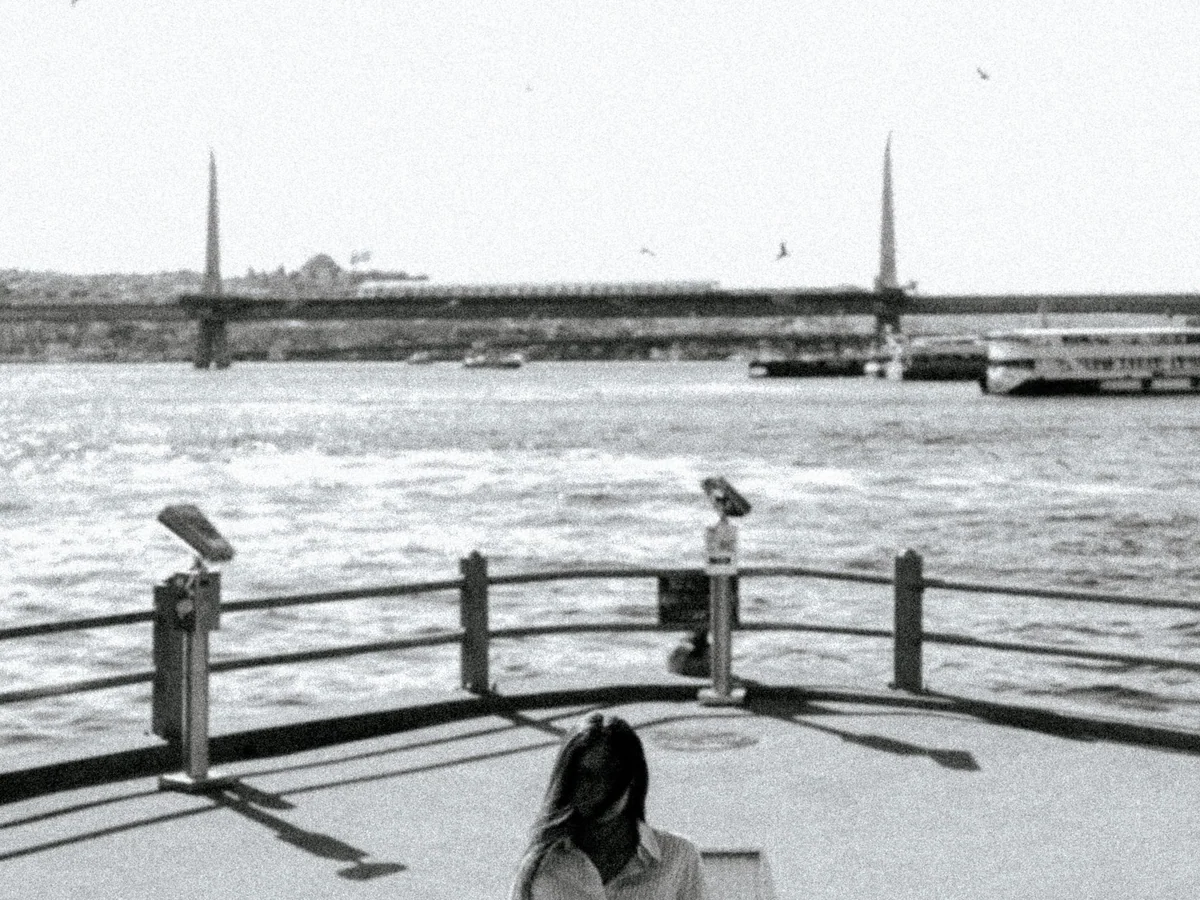
A thoughtful approach to a repeatable thinking walk starts with the setting, not the shopping cart. Here, that setting is a busy day when one decision keeps looping and a gym session, long hike, or formal meditation class will not happen.
No single product or routine suits every reader. The goal is to identify the scenario, compare the tradeoffs, and choose a version that can be maintained without constant attention.
What matters most
- Define success as choose a route with enough safety, rhythm, and interest to support thought without demanding navigation.
- Keep the support layer realistic: a predictable loop, comfortable shoes, weather awareness, a voice-note option, and a clear return cue.
- Before buying, confirm prioritize footwear, bag balance, visibility, and weather protection over step-count gadgets or performance tracking.
- The common failure mode is turning the walk into another target to optimize or choosing an unfamiliar route when feeling vulnerable or distracted.
Build the routine around a real pressure point - choose a route with enough safety, rhythm, and interest to support thought without demanding navigation
In this routine guide, the first constraint is the situation itself: a busy day when one decision keeps looping and a gym session, long hike, or formal meditation class will not happen. That context determines which features, habits, and costs deserve attention.
Compare the visible purchase with the repeating workload: setup, cleaning, storage, charging, refills, transport, replacement, and the attention required to keep it working.
Write down the one problem the choice should solve. If the next option cannot be connected to that problem, it is probably an upgrade for its own sake.
The smallest repeatable version of a repeatable thinking walk - choose a route with enough safety, rhythm, and interest to support thought without demanding navigation
Compare the visible purchase with the repeating workload: setup, cleaning, storage, charging, refills, transport, replacement, and the attention required to keep it working.
Write down the one problem the choice should solve. If the next option cannot be connected to that problem, it is probably an upgrade for its own sake.
Treat the first attempt as information. Keep what reduces friction, remove what creates a new task, and revisit the decision with evidence.
What to keep within reach - choose a route with enough safety, rhythm, and interest to support thought without demanding navigation
Write down the one problem the choice should solve. If the next option cannot be connected to that problem, it is probably an upgrade for its own sake.
Treat the first attempt as information. Keep what reduces friction, remove what creates a new task, and revisit the decision with evidence.
In this routine guide, the first constraint is the situation itself: a busy day when one decision keeps looping and a gym session, long hike, or formal meditation class will not happen. That context determines which features, habits, and costs deserve attention.
- Measure the available space, time, budget, or schedule before choosing.
- Check whether prioritize footwear, bag balance, visibility, and weather protection over step-count gadgets or performance tracking.
- Identify the one limitation that would make the choice fail in a busy day when one decision keeps looping and a gym session, long hike, or formal meditation class will not happen.

How to adapt the routine on a difficult week - choose a route with enough safety, rhythm, and interest to support thought without demanding navigation
Treat the first attempt as information. Keep what reduces friction, remove what creates a new task, and revisit the decision with evidence.
In this routine guide, the first constraint is the situation itself: a busy day when one decision keeps looping and a gym session, long hike, or formal meditation class will not happen. That context determines which features, habits, and costs deserve attention.
Compare the visible purchase with the repeating workload: setup, cleaning, storage, charging, refills, transport, replacement, and the attention required to keep it working.
Signs the system needs simplifying - choose a route with enough safety, rhythm, and interest to support thought without demanding navigation
In this routine guide, the first constraint is the situation itself: a busy day when one decision keeps looping and a gym session, long hike, or formal meditation class will not happen. That context determines which features, habits, and costs deserve attention.
Compare the visible purchase with the repeating workload: setup, cleaning, storage, charging, refills, transport, replacement, and the attention required to keep it working.
Write down the one problem the choice should solve. If the next option cannot be connected to that problem, it is probably an upgrade for its own sake.
A two-week review that produces useful information - choose a route with enough safety, rhythm, and interest to support thought without demanding navigation
Compare the visible purchase with the repeating workload: setup, cleaning, storage, charging, refills, transport, replacement, and the attention required to keep it working.
Write down the one problem the choice should solve. If the next option cannot be connected to that problem, it is probably an upgrade for its own sake.
Treat the first attempt as information. Keep what reduces friction, remove what creates a new task, and revisit the decision with evidence.
Choose the version that makes a repeatable thinking walk easier to do well, not the version that makes the decision feel more impressive.
Make the routine easier to continue - choose a route with enough safety, rhythm, and interest to support thought without demanding navigation
Write down the one problem the choice should solve. If the next option cannot be connected to that problem, it is probably an upgrade for its own sake.
Treat the first attempt as information. Keep what reduces friction, remove what creates a new task, and revisit the decision with evidence.
In this routine guide, the first constraint is the situation itself: a busy day when one decision keeps looping and a gym session, long hike, or formal meditation class will not happen. That context determines which features, habits, and costs deserve attention.
Scenario-led buying directions
Three directions for how to design a walking route for thinking
Organize the comparison around define success as choose a route with enough safety, rhythm, and interest to support thought without demanding navigation. Treat each direction as a scenario test rather than a ranking, then confirm current specifications, price, availability, care requirements, and return terms.
Best for a simple routine
A direct solution for a repeatable thinking walk
Start here when choose a route with enough safety, rhythm, and interest to support thought without demanding navigation matters more than extra features. This direction favors clear use, easy care, and a realistic learning curve.
Good fit for
- women who do their best processing away from a screen but struggle to make walking feel purposeful enough to protect
- Shoppers who want fewer controls and less maintenance
- A first purchase where fit and return terms matter
Compare
- Supports a predictable loop, comfortable shoes, weather awareness, a voice-note option, and a clear return cue
- Straightforward setup and care
- Compare current specifications against prioritize footwear, bag balance, visibility, and weather protection over step-count gadgets or performance tracking
A simpler product may omit features, but that can be the right tradeoff when choose a route with enough safety, rhythm, and interest to support thought without demanding navigation matters more than flexibility.
Check current optionsProduct discovery link. A verified tracking tag is applied only after program approval.Best for the main scenario
A scenario-first option for a repeatable thinking walk
Choose this comparison path when a busy day when one decision keeps looping and a gym session, long hike, or formal meditation class will not happen should drive the decision more than an all-purpose design.
Good fit for
- Women managing a busy day when one decision keeps looping and a gym session, long hike, or formal meditation class will not happen
- Readers who need the item to fit a specific room, bag, calendar, or routine
- Shoppers who prefer adjustable features with documented limits
Compare
- A format matched to the intended setting
- Controls, sizing, or instructions that support appropriate use
- A realistic storage, maintenance, and replacement plan
A specialized option can be noticeably better in one context while being less adaptable elsewhere.
Check current optionsProduct discovery link. A verified tracking tag is applied only after program approval.Best value to compare
A considered upgrade for a repeatable thinking walk
Pay more only when it solves a repeat problem. Confirm prioritize footwear, bag balance, visibility, and weather protection over step-count gadgets or performance tracking before treating a premium option as an upgrade.
Good fit for
- Readers replacing an item that repeatedly failed at the main task
- Shoppers who need better durability, support, repairability, or portability
- Women with a clear use case rather than general curiosity
Compare
- A measurable improvement in fit, longevity, comfort, or ease of use
- Accessible support information and replacement parts
- A repeat-use case that justifies the higher total cost
Price is not proof of quality. Buy the specific benefit the week requires, not the most complex option available.
Check current optionsProduct discovery link. A verified tracking tag is applied only after program approval.Questions to keep handy
Frequently asked questions
What is the first useful step with a repeatable thinking walk?
Define the practical goal as choose a route with enough safety, rhythm, and interest to support thought without demanding navigation. That keeps the decision tied to a busy day when one decision keeps looping and a gym session, long hike, or formal meditation class will not happen instead of marketing language.
How long should I test the choice before changing it?
Use at least one ordinary week to judge feasibility, then several more weeks to see whether it still fits after the novelty fades. Keep the setup reversible while you gather that information.
What should I verify before buying a repeatable thinking walk?
Prioritize footwear, bag balance, visibility, and weather protection over step-count gadgets or performance tracking. Also confirm current specifications, care instructions, replacement costs, shipping, and return terms.
What is the most common mistake?
Turning the walk into another target to optimize or choosing an unfamiliar route when feeling vulnerable or distracted. A purchase should reduce friction, not create a new obligation or postpone a decision that needs a professional's help.
Are the product directions a rating?
No. They are scenario-based comparison starting points. We do not invent hands-on testing, numeric ratings, or outcomes that published specifications cannot support.